Learn More About the History of Underwriters Laboratories
A story over a century in the making
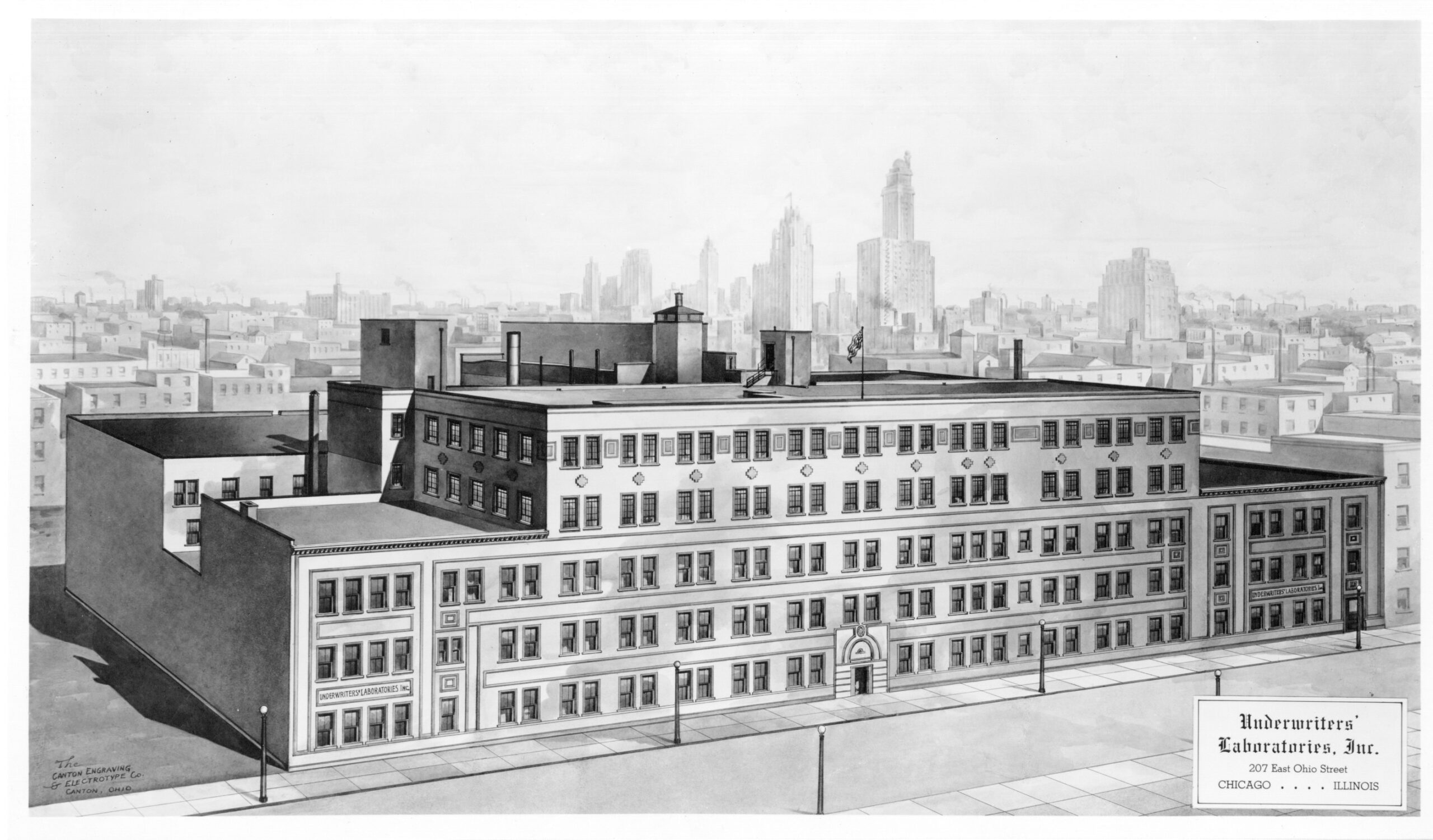
Safety science is woven into modern life, often in ways we never notice. Behind many of the products, technologies, and systems people rely on every day is a safety science story that began in Chicago over 130 years ago. Underwriters Laboratories was founded to address the growing risks of a rapidly changing world, and evolved to understand hazards, establish confidence in emerging technologies, and help make everyday life safer.
Along the way, pioneering research, influential standards, public education campaigns, and a singular symbol recognized around the world helped turn safety into a science. This page explores that journey and the legacy of Underwriters Laboratories — from its origins in Chicago, a city defined by innovation and resilience, to its lasting impact on safety in homes, workplaces, and communities around the world today.
The World’s Fair sparks an idea
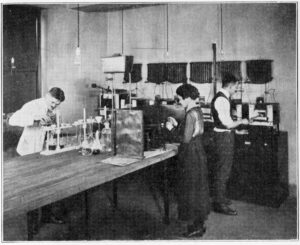
Underwriters Laboratories was born from the electrical safety inspection work carried out by our founder at the 1893 World’s Columbian Exposition in Chicago. William Henry Merrill Jr., a young electrical engineer, inspected many novel electrical installations that posed serious risks of shock and fire.
The Iroquois Theatre Fire
A tragedy that changed safety
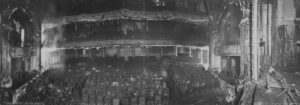
Chicago. 1903. The Iroquois Theatre — despite being described as “absolutely fireproof” in its playbill —became the site of one of the most catastrophic fires in American history. During a sold-out performance, a broken lamp ignited the curtains backstage and the fire quickly grew out of control. Attempts to douse the fire failed and existing fire protection systems proved ineffective. Mass panic ensued and because exits were hidden, became blocked, or were otherwise difficult to open, many patrons struggled to escape. More than 600 people died, exposing critical shortcomings in fire safety practices and prompting sweeping reforms in building and fire codes around the world.
The tragedy also helped shape the future of product safety. Underwriters Laboratories assisted with the subsequent investigation to study why fire protection measures had failed. The findings highlighted the need for products that were reliable, clearly labeled, and independently tested for safety. This inspired Merrill to create the UL Label Service in 1906, giving consumers a simple way to identify products that had been evaluated for safety by Underwriters Laboratories. Fire extinguishers were among the first labeled devices. These early labels evolved into the UL Mark, one of the most widely recognized safety symbols in the world today.
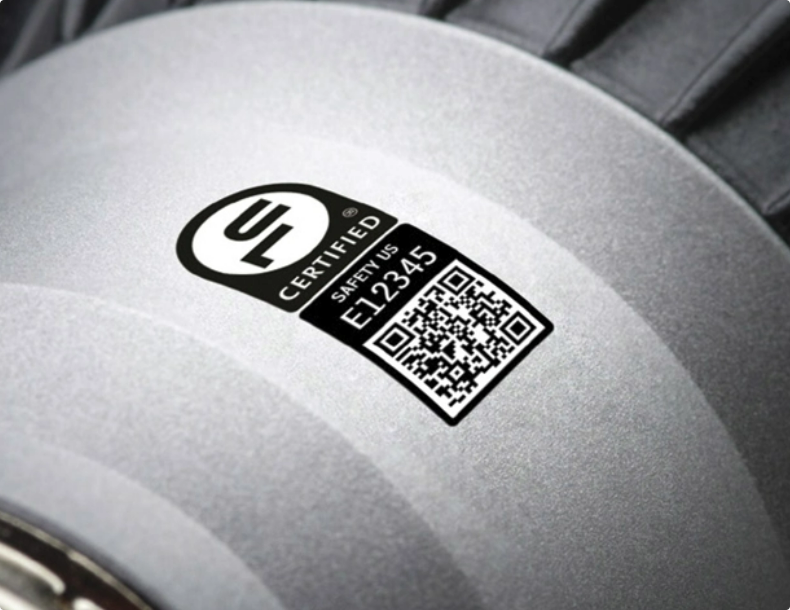
You’ve seen the UL Mark.
Here’s the story.
What started as a way to identify fire protection equipment that met Underwriters Laboratories safety requirements has become one of the most recognized safety symbols around the world.
Today, the UL Mark appears on billions of products each year, helping to identify products that have been evaluated against established scientific requirements. From household appliances to new and emerging technologies, it is a familiar sign of confidence and trust.
When safety science learned to fly
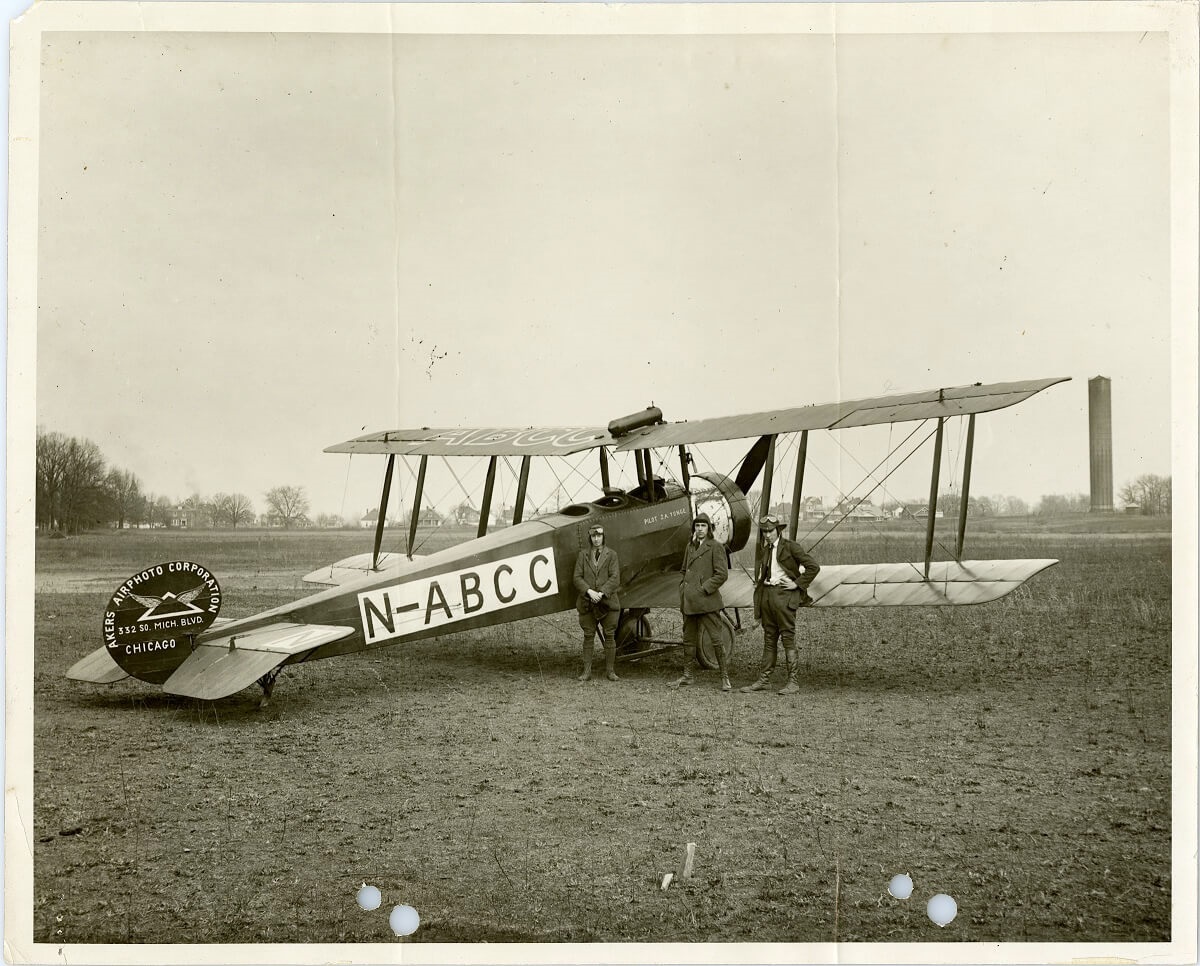
In the early 1920s, aviation was rapidly capturing the public imagination, but the industry lacked many of the safeguards people take for granted today. There was no federal aviation regulator, no consistent system for evaluating aircraft, and few standards for determining whether pilots and planes could be trusted. Drawing on several decades of experience in testing and risk evaluation, Underwriters Laboratories partnered with the insurance industry to help define this emerging field. They established one of the nation’s first registries for both pilots and aircraft, published early rules for civilian flight, and developed an airworthiness program designed to assess the safety and reliability of aircraft.
Although the Underwriters Laboratories aviation department operated for only a few years, its work contributed to a formative period in aviation history. As air travel rapidly expanded, the need for national oversight eventually led the U.S. federal government to assume responsibility for regulating the industry, laying the foundation for what would become today’s Federal Aviation Administration.
From research and testing to public awareness
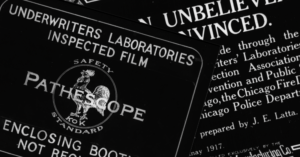
One of the earliest examples of Underwriters Laboratories’ public safety storytelling is the restored 1917 silent film, An Unbeliever Convinced. The film was privately screened across the United States in the early 20th century to illustrate the importance of abiding by fire safety codes.
Today, safety advocacy remains a priority. Safety standards provide a scientific foundation for innovation, helping to address and mitigate risks of injury while guiding the safety, performance, and sustainability of new and evolving technologies.
The legacy continues …
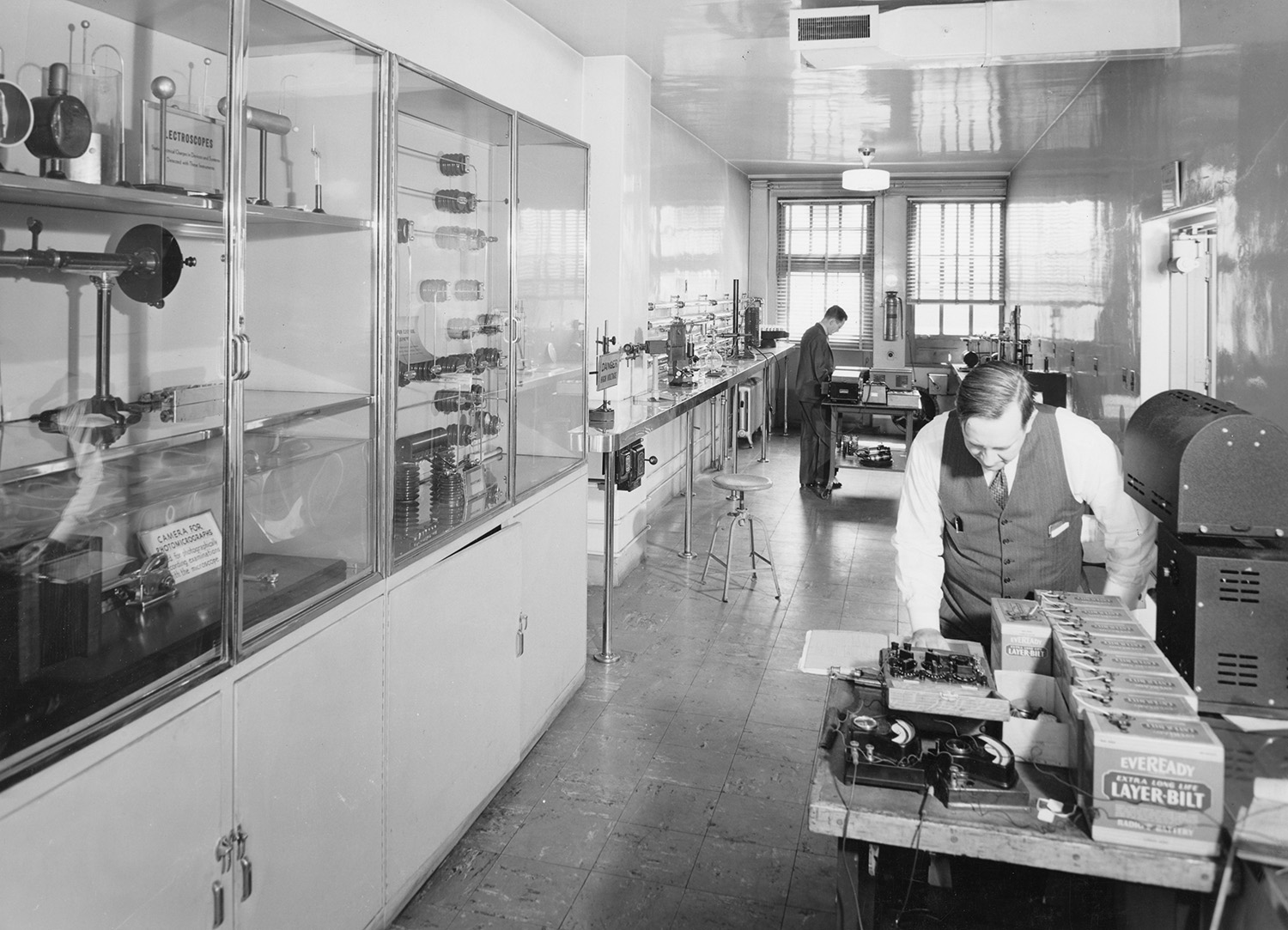
What started at the turn of the 20th century as a small laboratory focused on reducing fire and electrical hazards has helped establish a broader approach to understanding risk through science, testing, and education today. Along the way, our work has contributed to safer buildings, consumer products, transportation systems and countless other innovations that have become part of everyday life.
Today, the challenges may look different, but the underlying purpose remains the same. As new technologies emerge—from advanced batteries and energy storage systems to connected devices, artificial intelligence and advanced manufacturing — researchers, educators, scientists, engineers, and safety experts continue working to better understand risk and help society innovate with confidence.
The technologies have changed. The mission has not.
Learn more about each organization and what they do
UL Research Institutes advances safety science by sensing risk and conducting rigorous independent research that accelerates discoveries.
UL Standards & Engagement convenes experts and leaders across the world to deliver impact through standards, education, and advocacy.
UL Solutions delivers testing, inspection and certification services, advisory offerings and software solutions that support our customers’ product innovation and business growth.